/ The Work of Designer - Baz Pringle
Concept
Graphic Design
3D Production

Concept
Graphic Design
3D Production
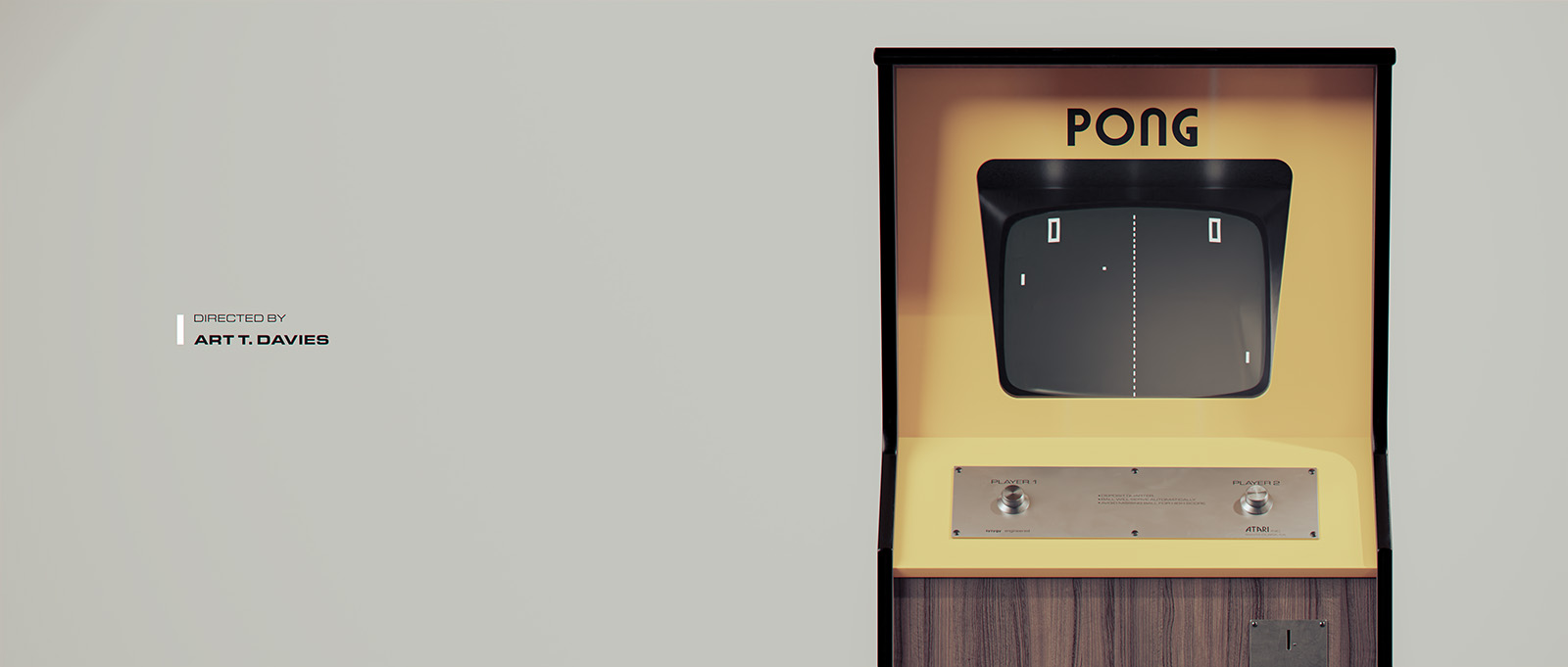
A detailed look-development and visual design study exploring the recreation of the classic Atari Pong arcade cabinet, originally released in 1972. This project serves as a technical exercise in authentic hard-surface 3D modelling, material creation, and the design of high-fidelity cinematic style frames that honor the engineering legacy of early video game hardware.
The production workflow focused on translating historical design schematics into an accurate three-dimensional prop, ensuring structural details like the wood-grain housing, control knobs, and display bevels match the physical aesthetic of the original coin-operated machine.
More information regarding the Atari Pong arcade machine can be found in the book ‘Art of Atari’ by Tim Lapetino. An excellent resource for all things Atari.
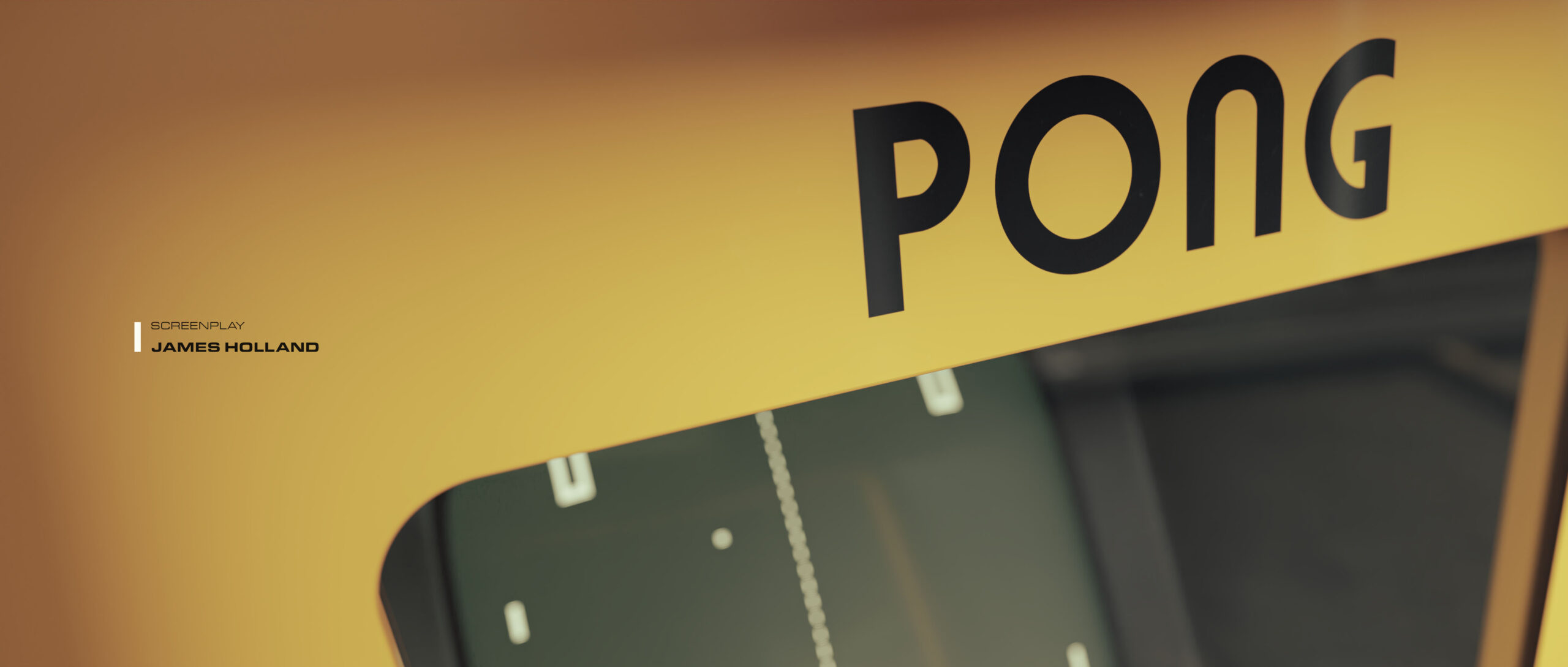
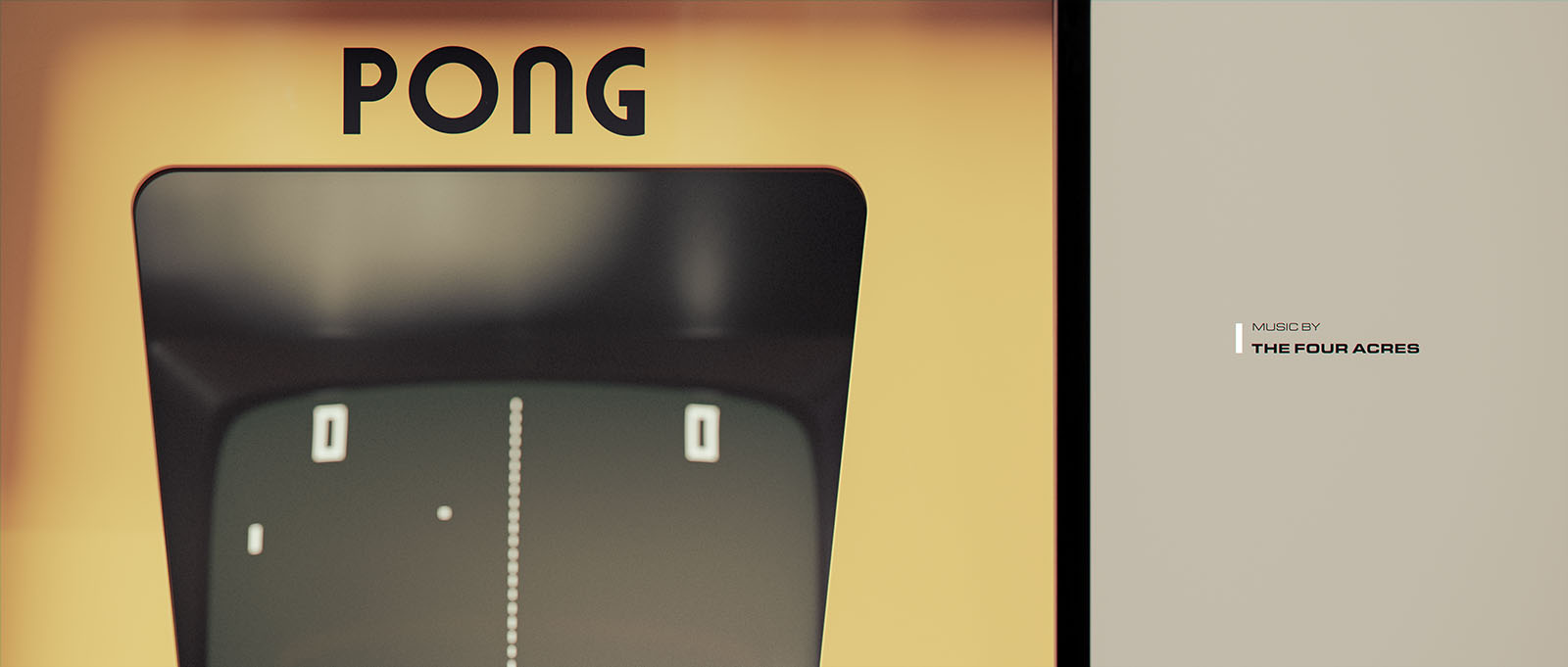
The core pipeline for this project involved precise hard-surface 3D production to generate a series of polished, broadcast-ready portfolio style frames.
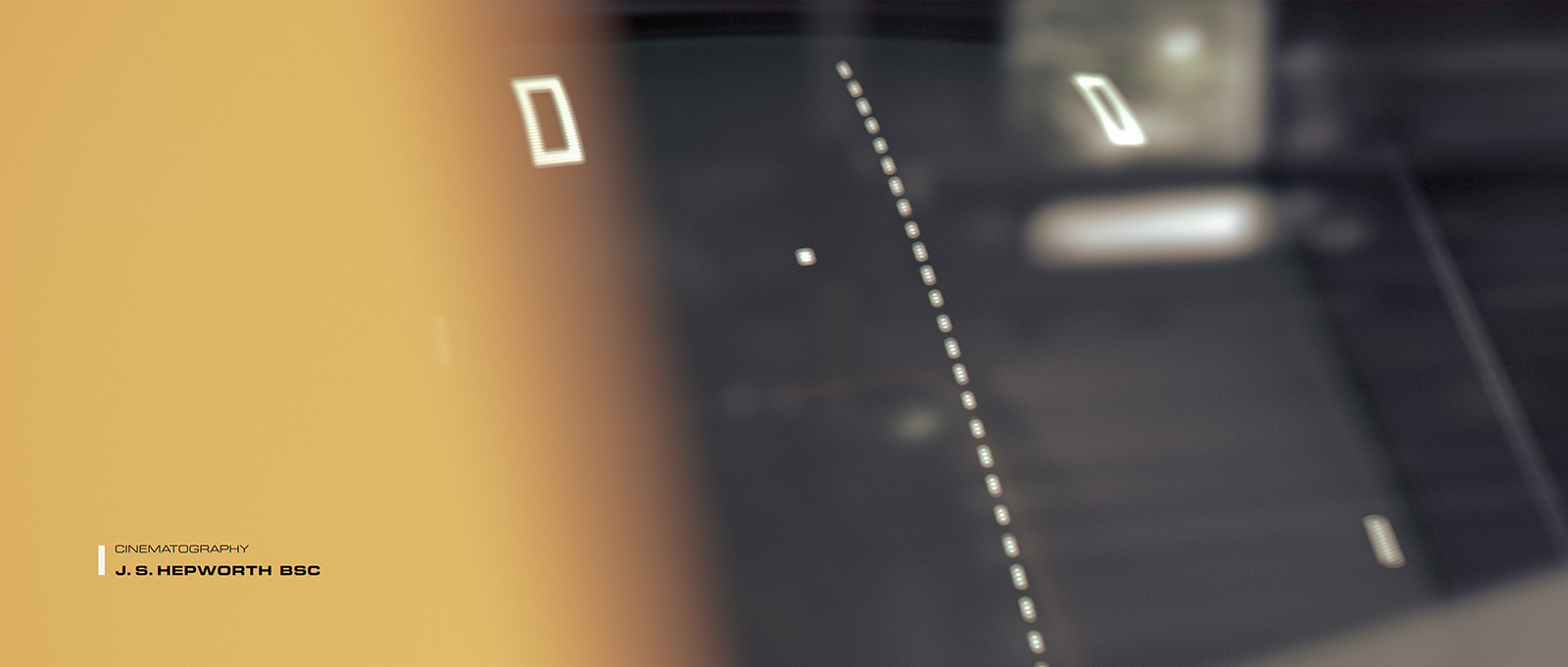
Once the primary Atari Pong cabinet mesh was completed, custom PBR material shaders were authored to realistically capture the finishes characteristic of 1970s arcade hardware under controlled studio lighting.
The pre-rendered 3D assets were subsequently brought into Adobe Photoshop for further post work. This phase integrated bold, minimal typography layout elements with post-render treatments.
Multiple compositing layers were applied to build out depth, including dedicated film-grain overlays, technical colour grading, and subtle optical lens effects that replicate the characteristics of vintage physical camera lenses.