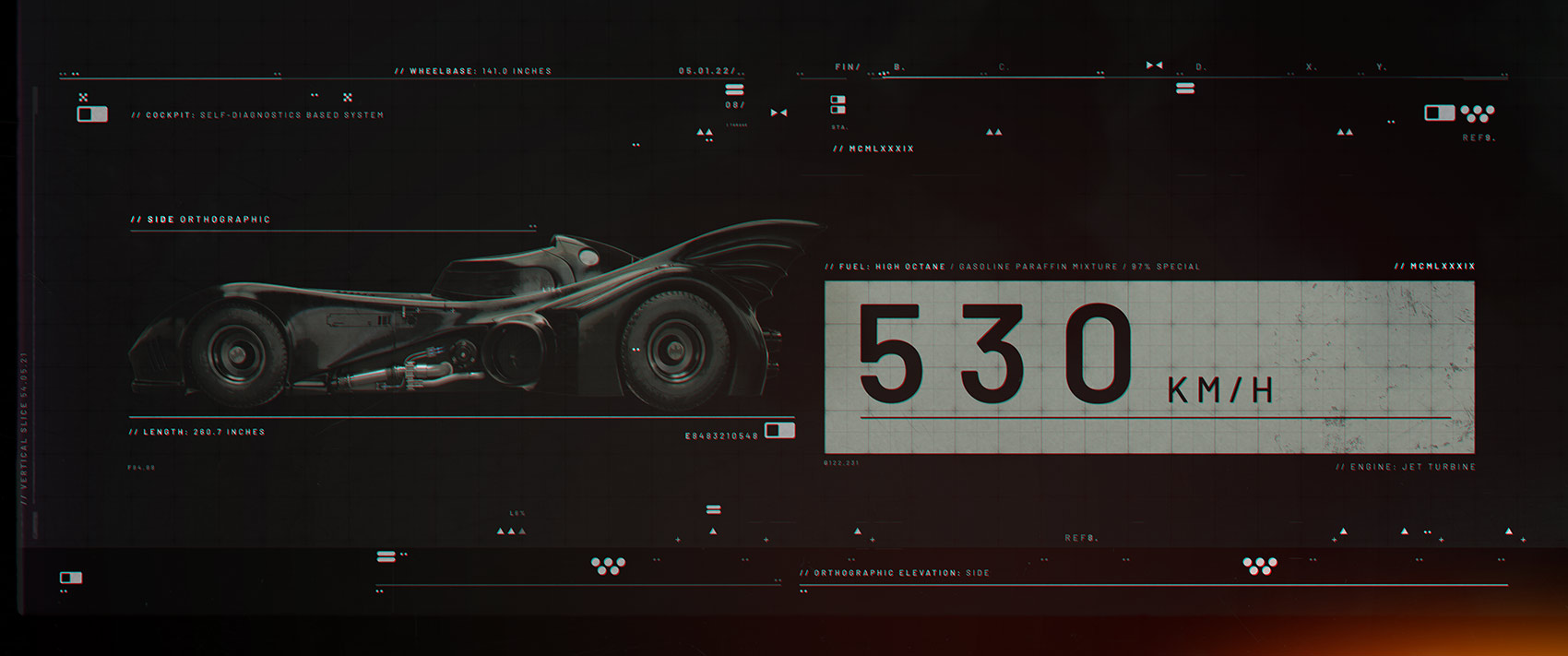
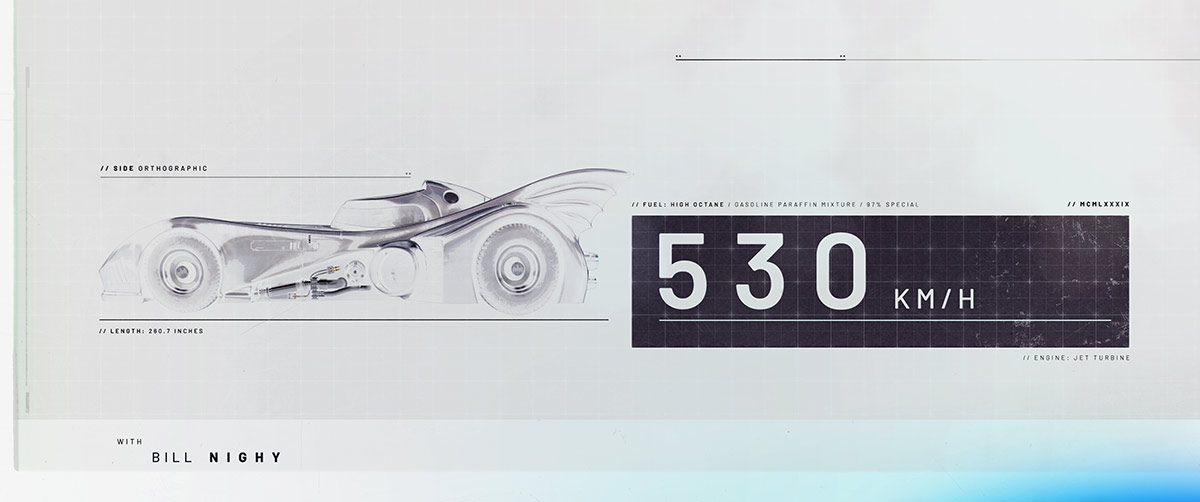
A dark Fantasy User Interface (FUI) layout displaying a 3D side profile of a Tim Burton-style Batmobile alongside a large digital speedometer reading 530 KM/H, presented on a dark portfolio website layout.

Batman - The Joker's Wild

Fantasy UI & Style Frames

Disciplines

Concept
Graphic Design
UI Design
3D Production
Direction

Information

A comprehensive design study encompassing a series of Fantasy User Interface (FUI) layouts and cinematic style frames for a conceptual Batman opening title sequence. The project focus was to develop a dark, cohesive visual identity suitable for a theatrical feature film introduction, establishing narrative tone through technical graphics and vehicle look-development.

The 3D production for the project required building a custom model of the classic Tim Burton-era Batmobile and a batarang weapon from scratch. These assets were modelled within Maxon Cinema 4D and rendered using the OTOY Octane engine to achieve authentic surface textures, realistic paint reflections, and complex material properties under a variety of lighting conditions. A redesign of the iconic bat emblem was also executed as part of the core branding process, serving as a central graphic element that features prominently across the interface grids and title cards.
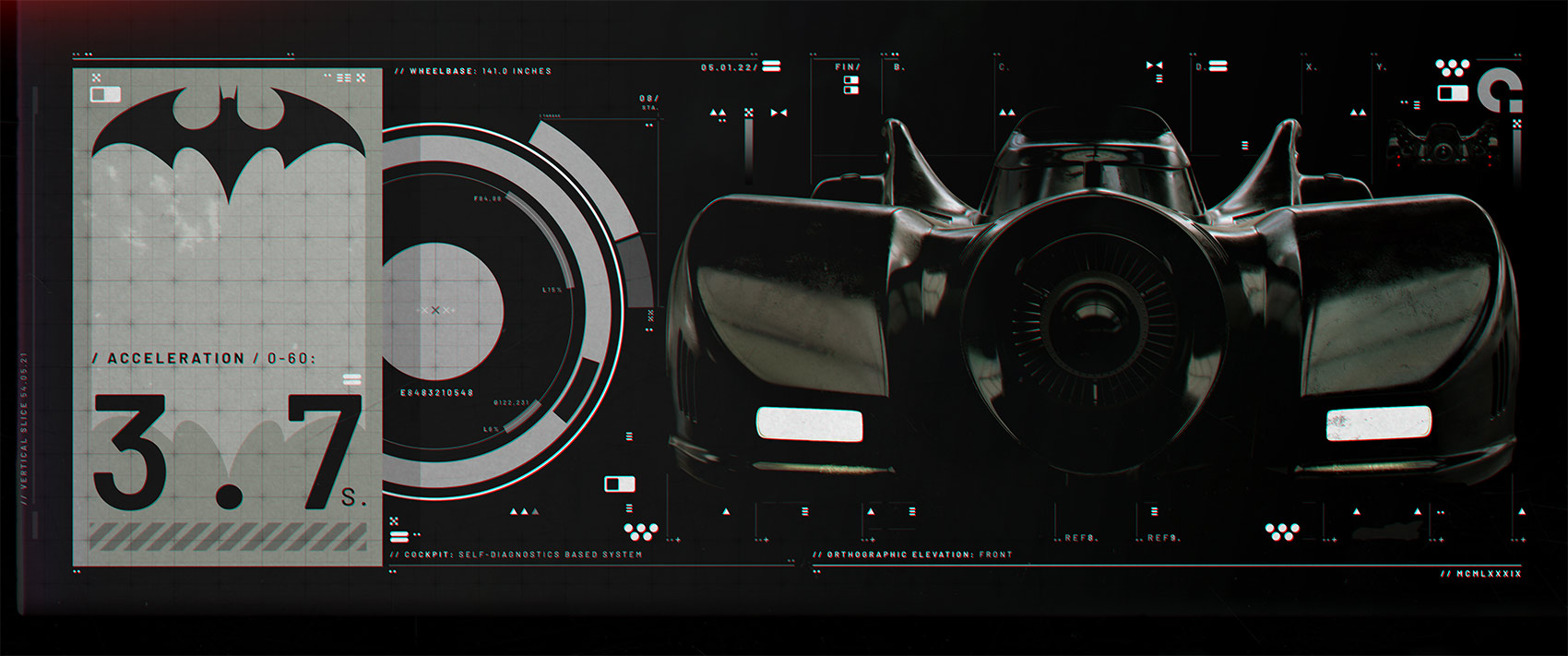
A detailed FUI style frame featuring a close-up front view of the 3D Batmobile model paired with a custom bat logo emblem and digital acceleration telemetry showing 3.7 seconds.
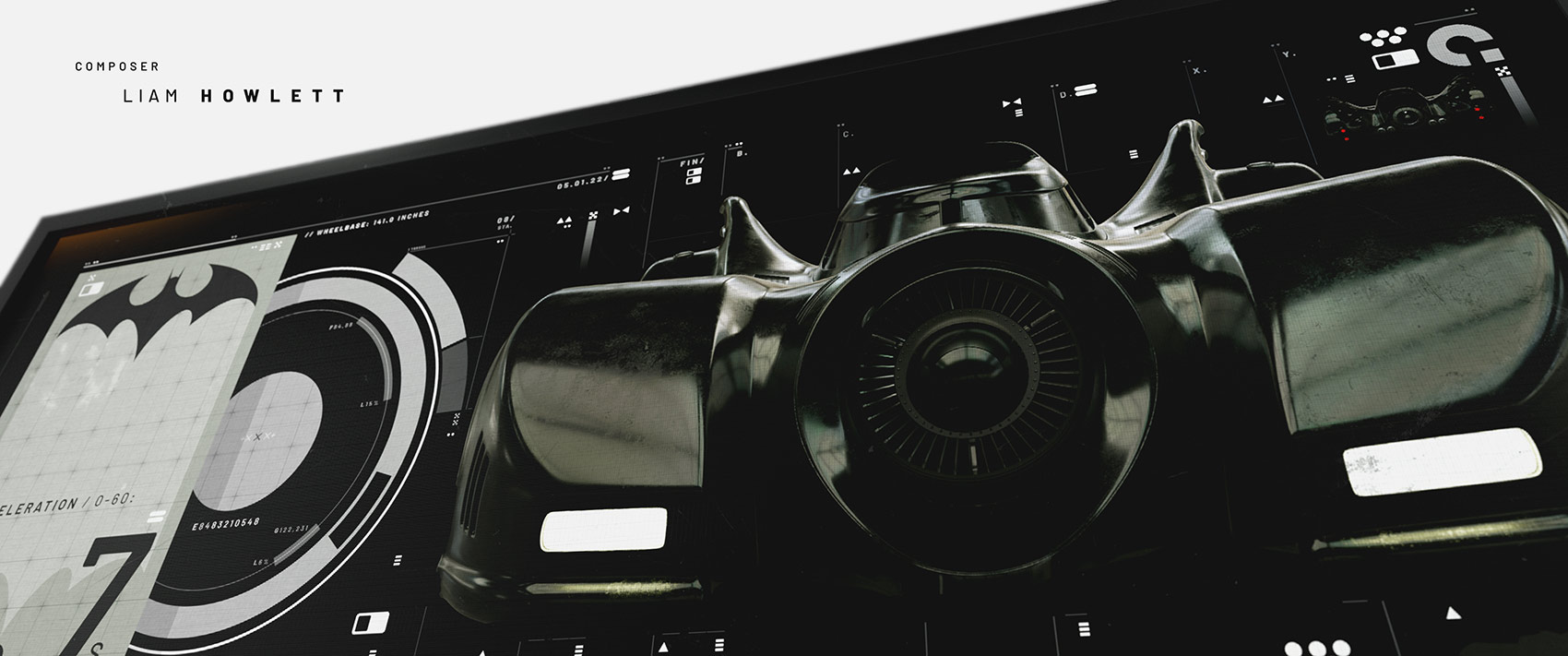
An angled opening title sequence style frame displaying a composer credit for Liam Howlett over a technical digital interface showing the front turbine engine of a 3D Batmobile.
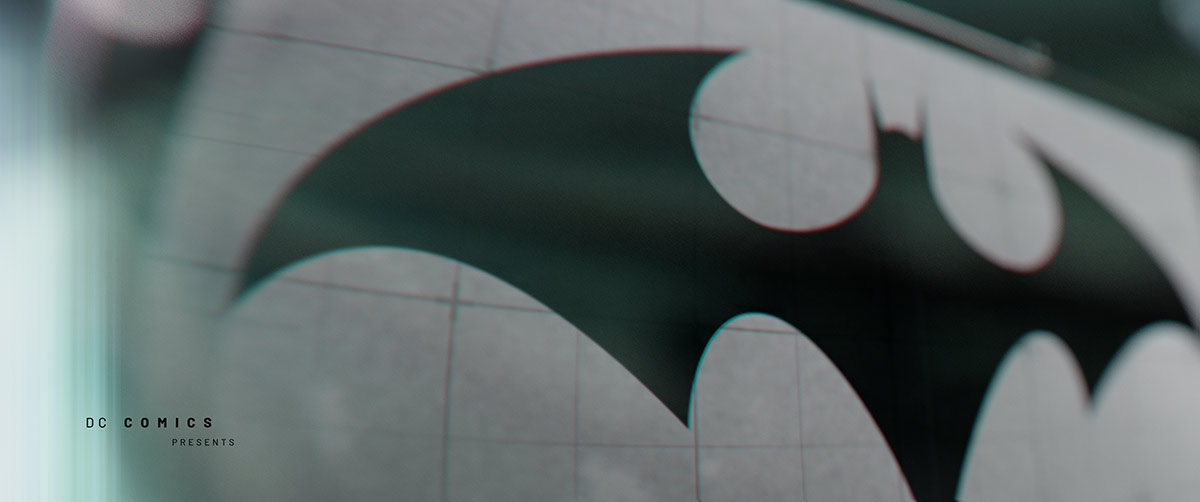
An opening title sequence style frame featuring a large, dark redesigned bat logo on a grid pattern background with the text 'DC Comics Presents' in a clean, minimalist layout.

Distortion and Imperfection

This shot frames the emblem against a precise, low-contrast graphic grid system, establishing a sense of scale and technical blueprint detailing.

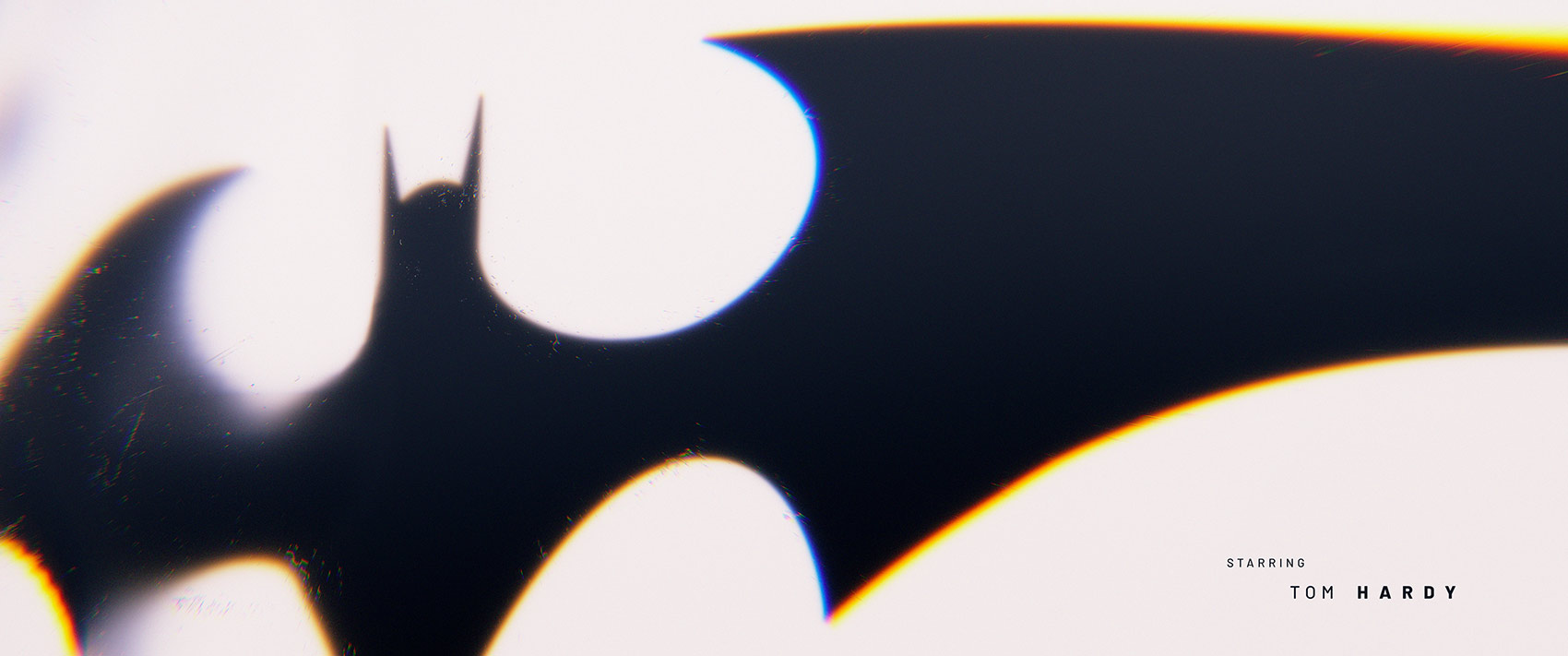
To pull focus toward the redesigned central typography and branding, the shot incorporates a stark depth-of-field effect, leaving the edges heavily blurred while introducing chromatic aberration. This lens behaviour softens the sharp vector lines of the graphic layouts, blending the digital typography assets into a gritty, filmic environment.
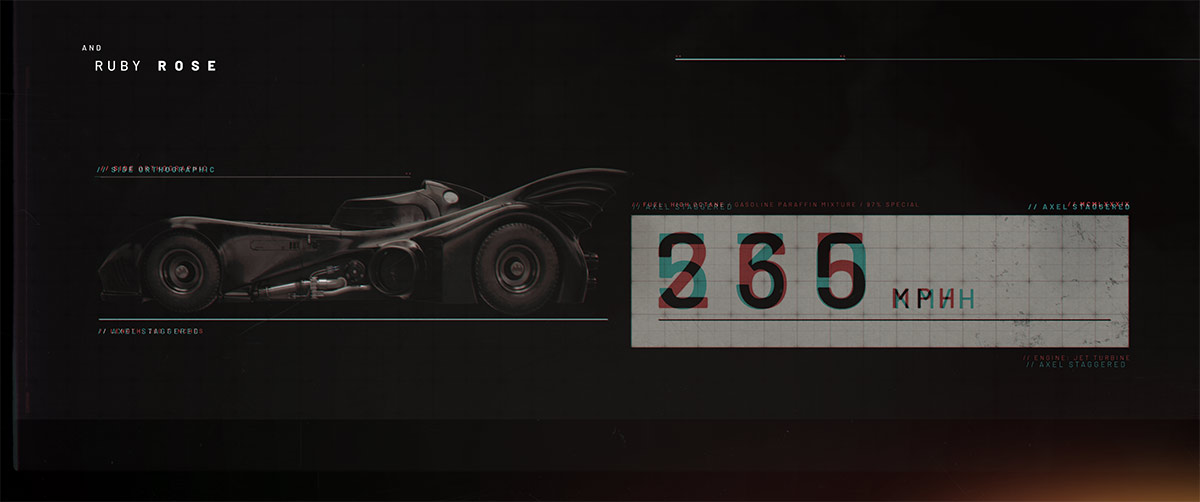
A dark user interface style frame showing a side orthographic view of the 3D Batmobile model alongside a 265 KM/H digital display and a placeholder cast credit layout.
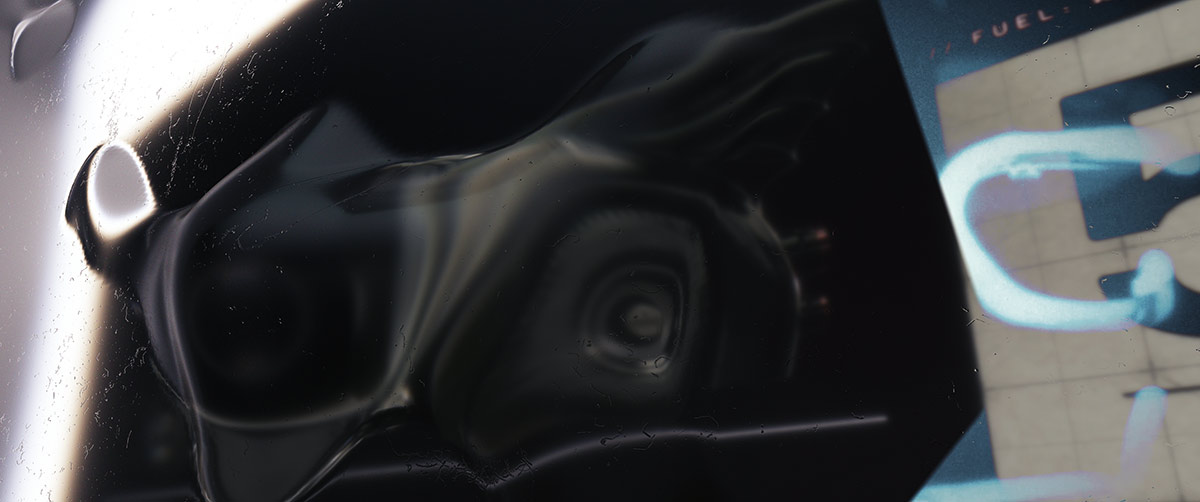
A close-up look-development render focusing on the glossy black surfaces and metallic engine curves of the Batmobile's rear jet turbine under moody lighting.
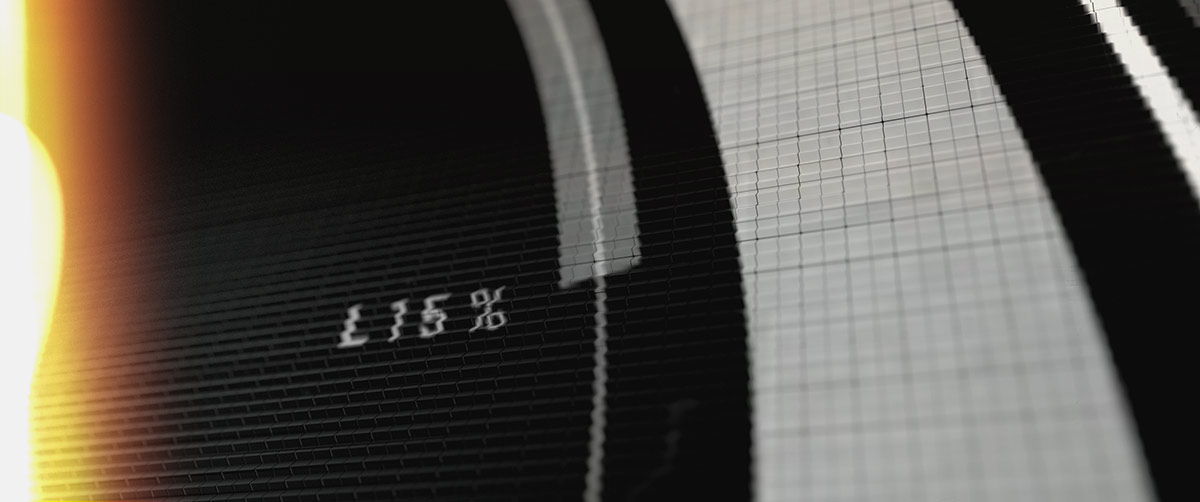
An abstract macro style frame focusing on a fine technical UI grid, digital data readouts, and a bright anamorphic lens flare on the left edge.
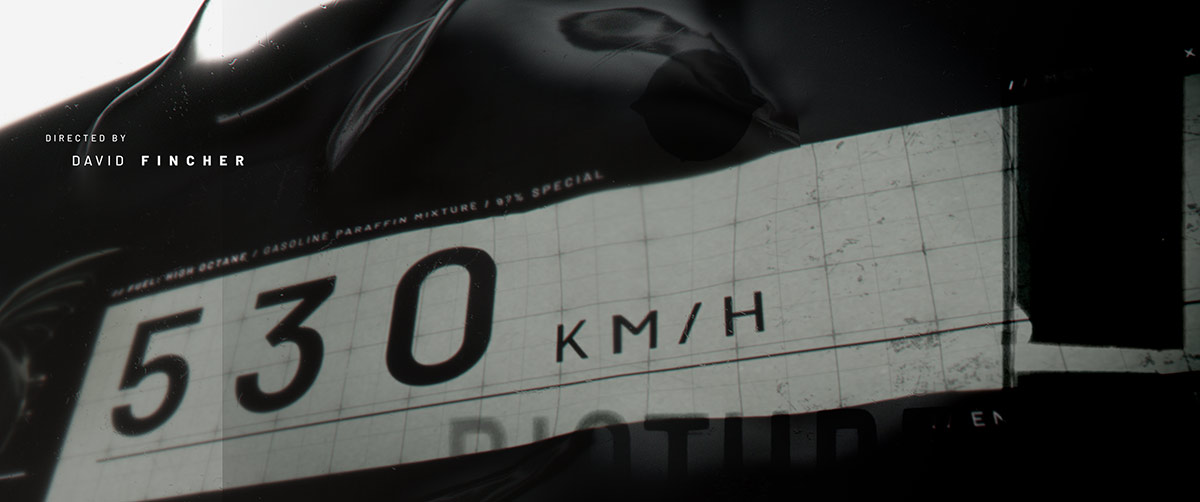
A cinematic style frame displaying a placeholder director credit layout overlaid on a white grid block with a digital speedometer reading 530 KM/H.
A high-key white user interface style frame featuring a clean blueprint-style render of the Batmobile bodywork, a 530 KM/H readout, and a placeholder cast credit text block.
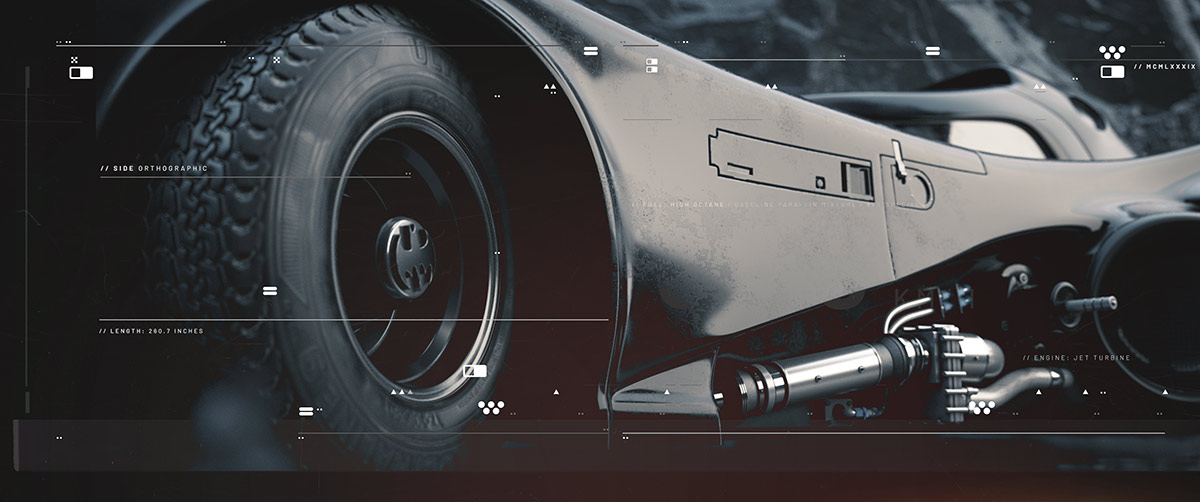
A macro 3D render of the Batmobile's front wheel and textured side paneling, integrated with fine technical HUD overlay lines and digital telemetry.
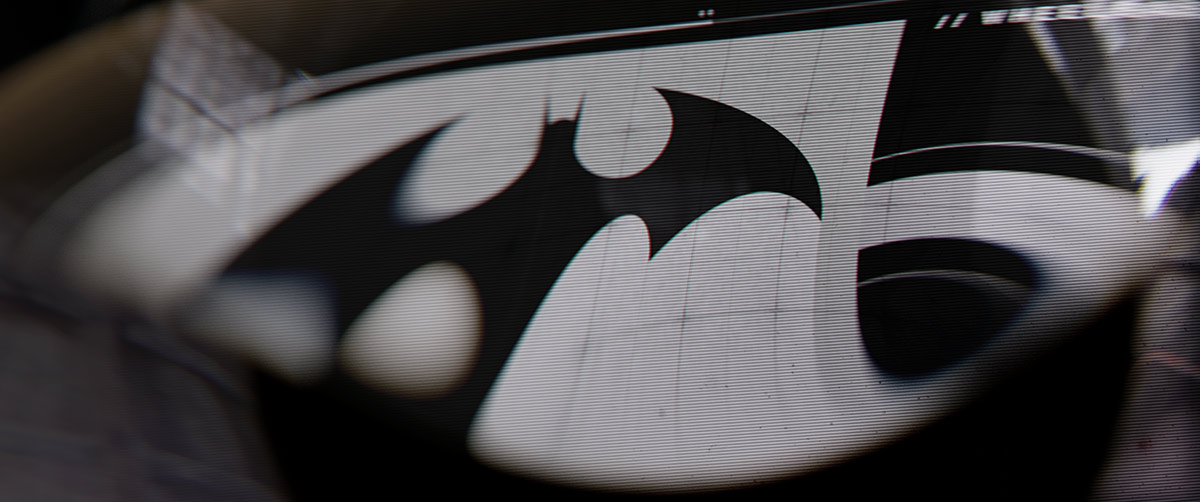
A close-up style frame showing the redesigned bat logo emblem displayed on a curved monitor interface with digital scanlines and edge distortion.

Look-Development & Optical Refraction

To generate the distinct physical distortion across the graphics, 3D glass elements were modelled and positioned directly in front of the virtual camera lens. Instead of relying solely on standard two-dimensional post-processing filters, the pipeline utilized true 3D refractions to bend the light and geometry naturally.

Various shapes, thicknesses, and camera-distance placements of the glass geometry were tested to capture different abstract results. This process allowed the underlying grid lines, typography, and redesigned emblem to refract unevenly across the frame, mimicking the behavior of a physical lens or warped display monitor.
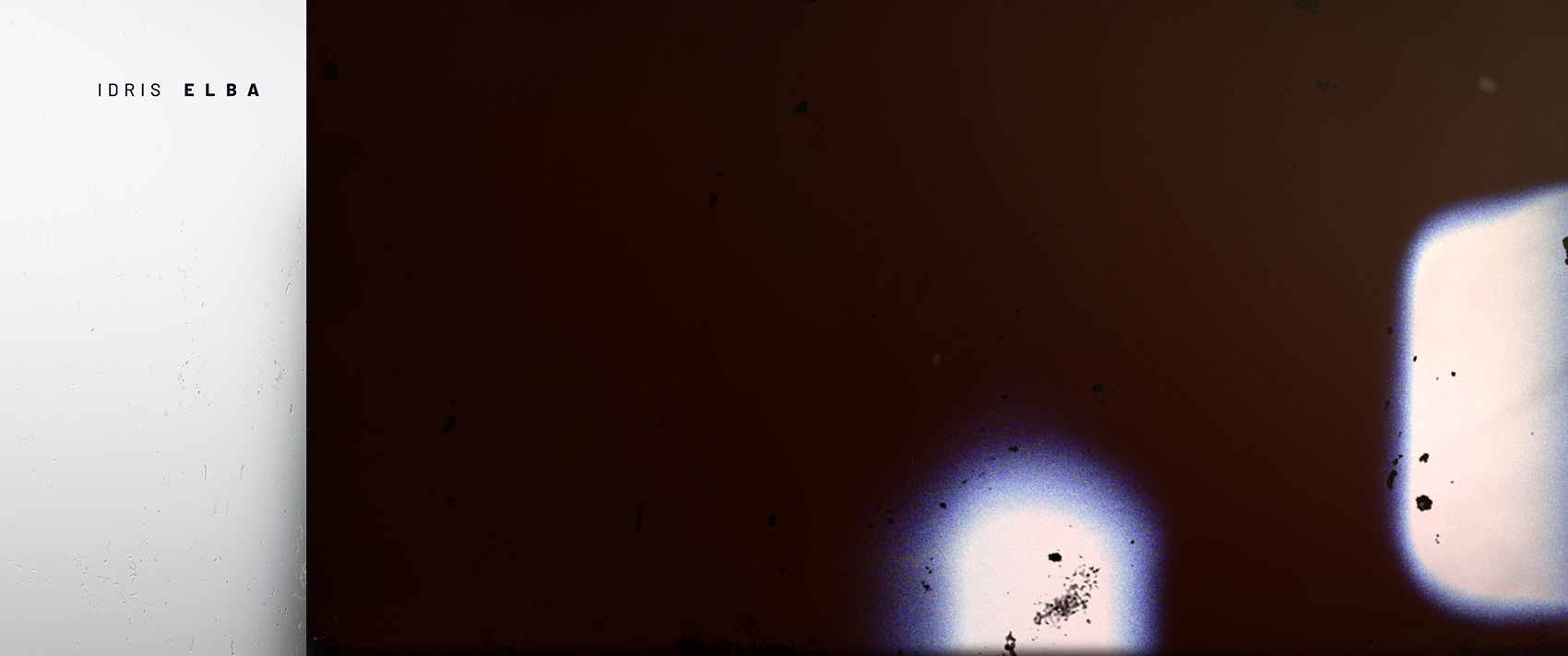
An opening title sequence frame featuring a clean, minimal placeholder cast credit layout on a light grey vertical bar, transitioning into a dark background with organic film burn and light leak effects.
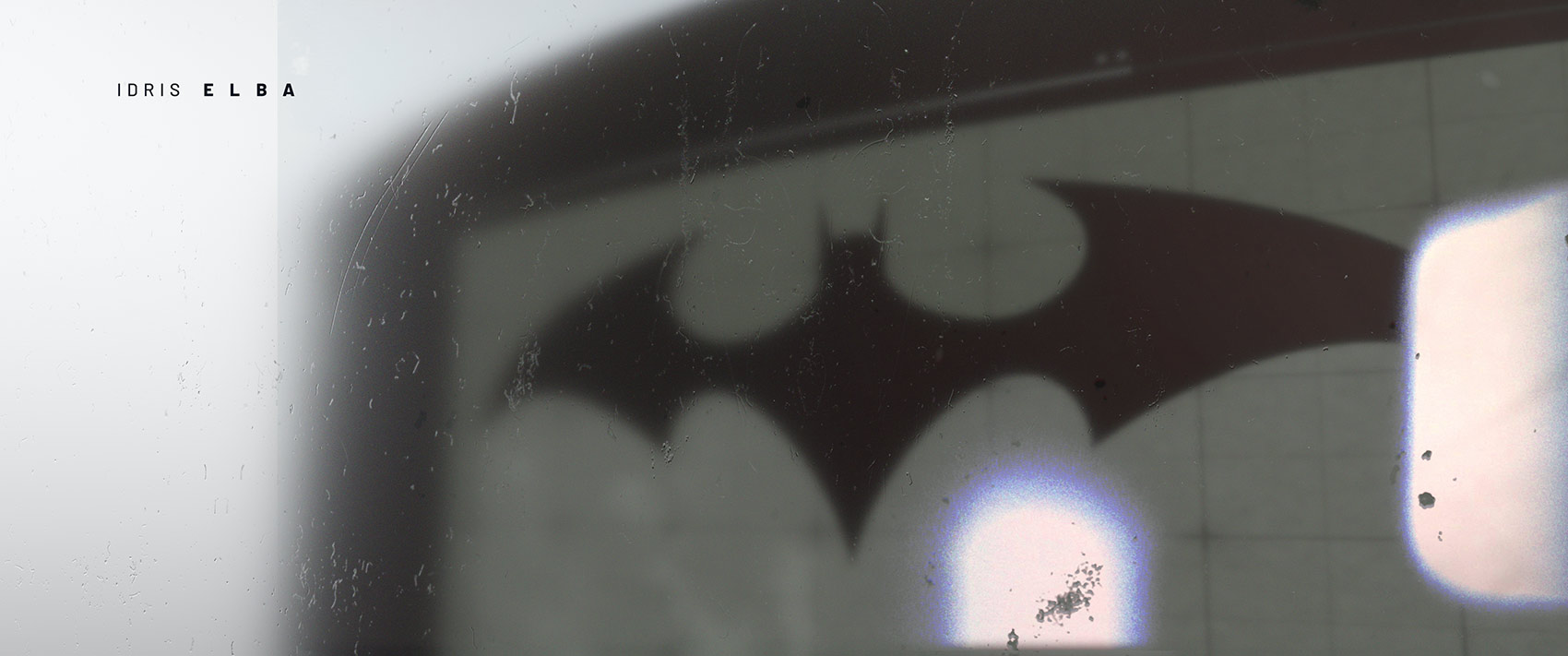
A motion graphics style frame showing a dark, redesigned bat logo visible through a hazy monitor interface with subtle screen textures, paired with a placeholder cast credit layout and light leaks.
A high-contrast style frame displaying a large, silhouetted Batman emblem with heavy lens blur and chromatic aberration along its edges, balanced by a placeholder starring credit layout in the lower right.

Emblem Redesign & Graphic Grid Composition

A core focus of the title design process was a subtle redesign of the classic bat logo to match the dark, technical tone of the sequence. The revised emblem involved minor adjustments, modernising the silhouette while retaining its iconic structural recognition.

The redesigned logo element serves as an anchor across the motion graphics, bridging the gap between high-tech military telemetry and traditional cinematic branding.
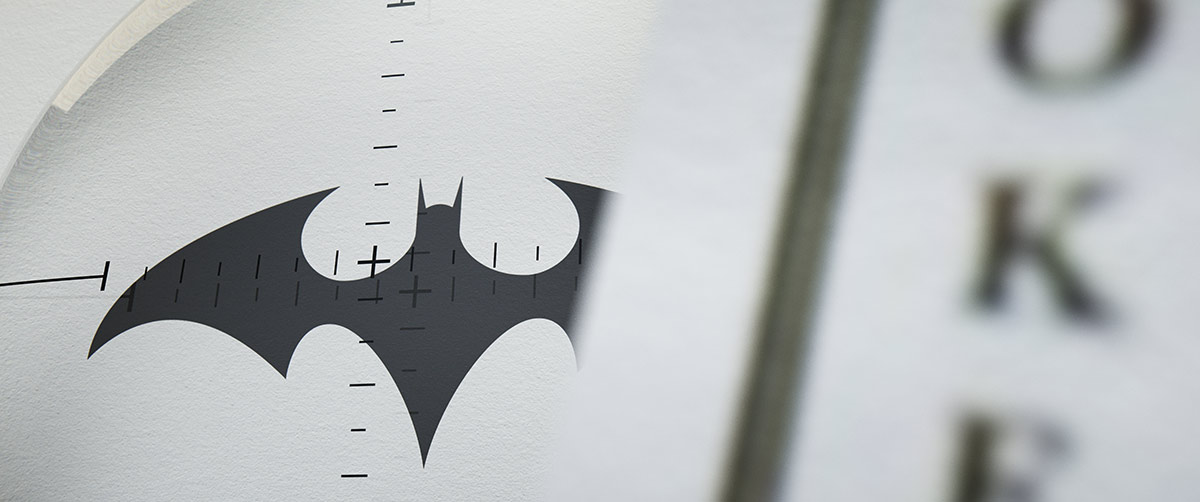
A close-up look-development frame focusing on a small bat logo viewed through a circular glass lens with crosshair reticle telemetry, positioned next to a blurred playing card.
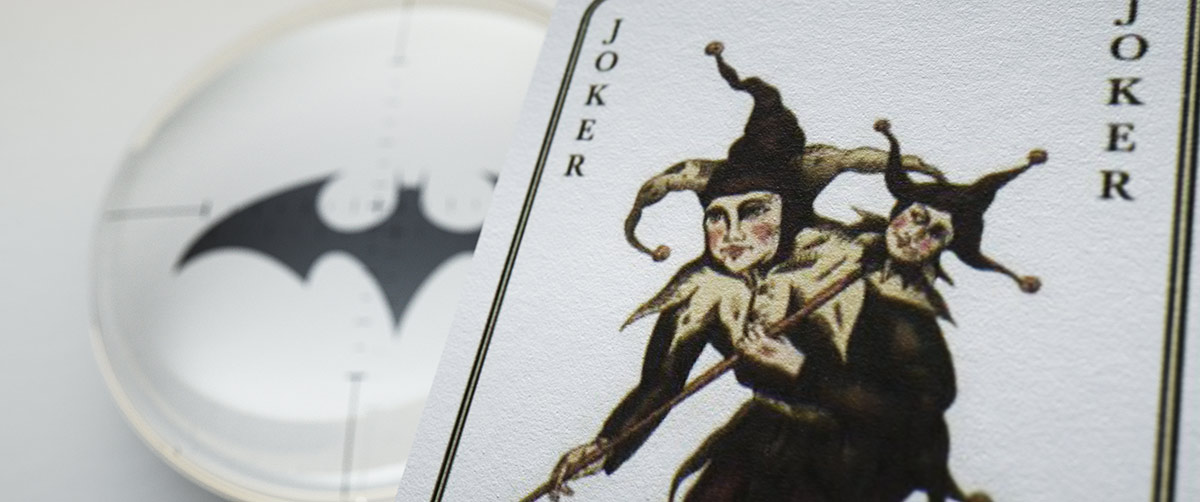
A graphic style frame pairing an illustrated Joker playing card on the right with a circular lens scope overlay showing a small bat logo and technical targeting crosshairs on the left.
The main title card layout for the project, featuring a centred circular glass lens with a bat logo and crosshair reticle, the title text 'THE JOKER'S WILD' positioned below, and an illustrated Joker playing card in the bottom right corner.